

Friends,
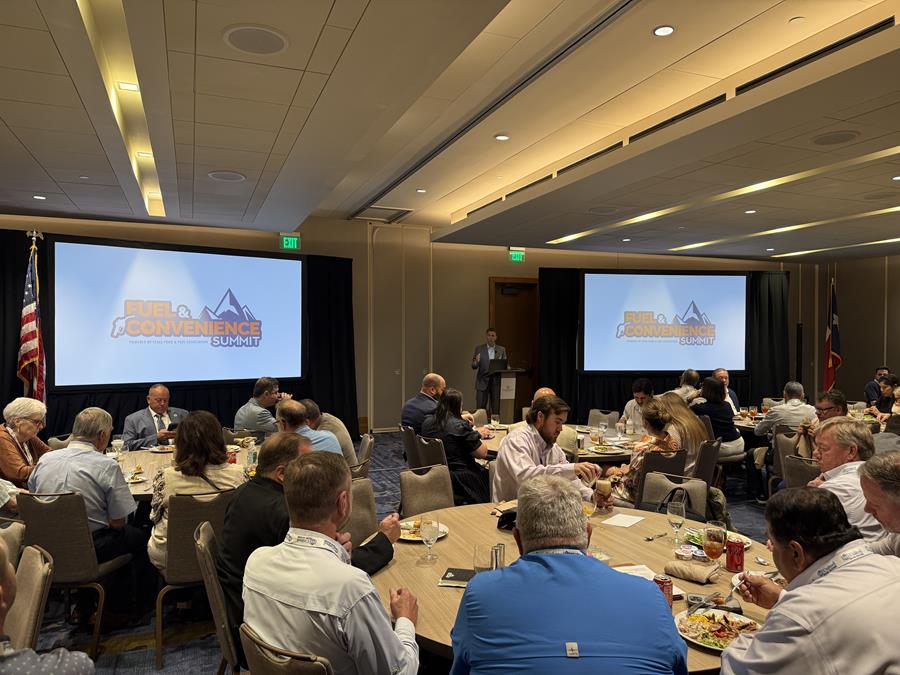
Frivolous lawsuits are hurting the businesses that keep Texas fed, fueled, and moving. This week, I spent an afternoon in Las Colinas with the Texas Food & Fuel Association at their annual summit, and TFFA members didn’t need convincing on that point. These businesses keep the world’s 8th-largest economy humming and they know exactly what lawsuit abuse is costing Texans.
These owners operate in competitive markets and are frequent targets of frivolous claims that drive up costs for both the business and the customer standing at the register. This is becoming all too familiar for convenience store owners and grocery and fuel distributors. Lawsuit abuse is hurting affordability for all Texans. Thank you to everyone who stopped me to say hello and to keep pushing TLR to continue fighting.
And we will. Our message resonates with voters, and candidates are starting to take the message to the campaign trail. Lawmakers aren’t just voting on lawsuit reform anymore — they’re running on it. With the general election fast approaching and the 2027 legislative session on the horizon, that’s exactly the kind of pressure that turns a good policy idea into meaningful reform.
Affordability can’t wait. Protect Texans’ paychecks by stopping lawsuit abuse.
For the future of Texas,
Ryan Patrick
CEO | TLR

Lawmakers Are Turning Lawsuit Reform Into a Campaign Promise
State Rep. Ben Bumgarner (HD-63, Denton County) isn’t burying lawsuit reform in a mailer footnote — it’s the centerpiece of his latest campaign video: “You shouldn’t need a second mortgage to pay your home and auto insurance. When predatory trial lawyers abuse the system, your premiums go up. That’s why I’m stopping lawsuit abuse. We cannot enrich these greedy lawyers. Your family needs lower costs now.”
That’s a Texas lawmaker putting lawsuit abuse and rising premiums in the same sentence, on camera, as a campaign promise. TLR will take that message however it travels, and we’d like to see more candidates make the same bet Bumgarner just did.

How Does Medical Billing Fraud End Up in Texas Courts?
In One Texas Case, It Took a Cross-Country Flight to Get There
TLR’s latest blog post lays out one of the stranger medical billing fraud patterns we’ve documented yet. After Hurricane Zeta hit the Deepwater Asgard rig in 2020, 23 Transocean workers sued over the company’s decision not to move the rig. A straightforward claim so far.
However, each of them were then treated by the same small handful of doctors in Houston and Lake Charles, cities none of them lived in. Some plaintiffs flew in from New England for psychiatric appointments. Or flew to Houston and drove to Lake Charles. Not one used their own health insurance. Not one paid a bill themselves, yet the invoices were sold to a third party.
According to Transocean’s court filings a funding company called CareCapital “purchased” the medical receivables from these providers, except CareCapital and the providers shared the same owner. No money ever changed hands. The medical billing was shrouded in a corporate shell game. And the underlying billing had no connection to market realities. One procedure billed at $7,350 had a standard Medicare reimbursement rate of $115.58. That’s not a bill. That’s a number picked to inflate a verdict.
Unfortunately this isn’t an isolated scam. Legal funding is now a $67 billion industry built on exactly this model — what experts call “phantom damages.” FedEx filed a RICO suit over similar practices in 2024. State Farm settled with one doctor for $314,000 in restitution just last November. A federal jury ordered $15.4 million in restitution from three doctors running a comparable operation back in 2009. This has been going on for years. It’s still going on.
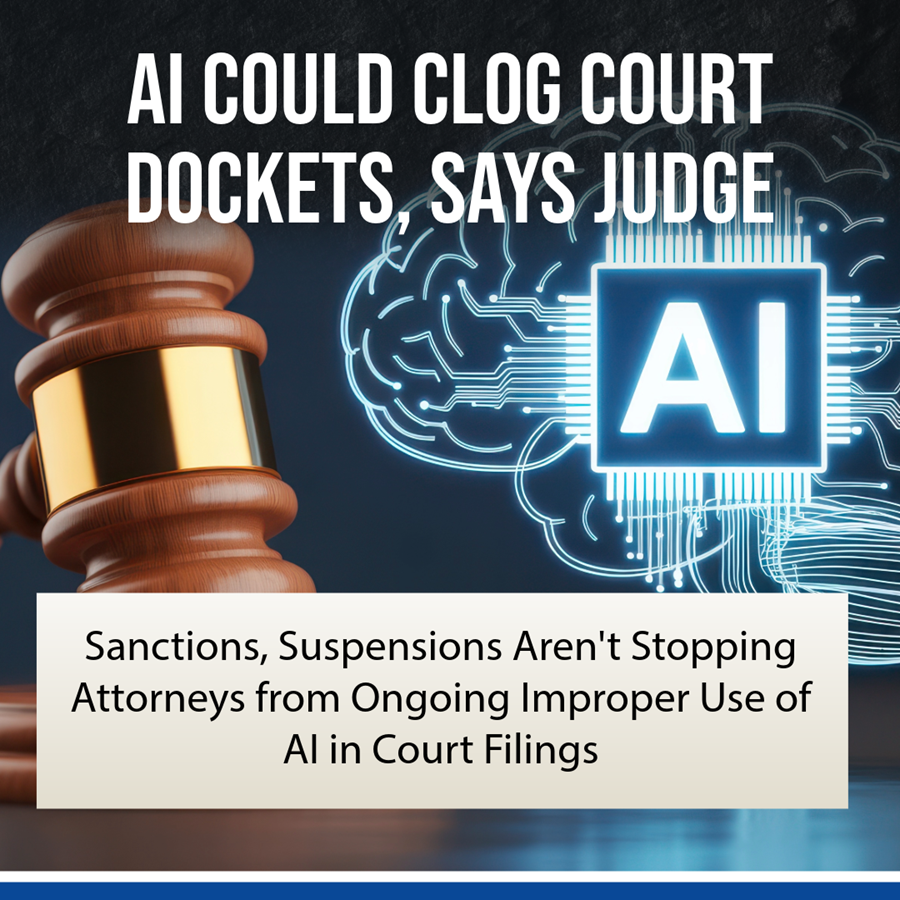
Florida Appeals Court Warns ‘AI Slop’ Is Clogging Its Docket — Texas Should Be More Vigilant
Lawyers don’t need a real argument to bury a court in paperwork anymore, they just need an AI tool. Grok, Claude or ChatGPT can churn out dozens of pages of filings in minutes, and some attorneys are using that speed to flood courts with claims built on quantity, not merit. They’re betting the other side will run out of time or money before anyone checks the work.
Florida just caught one in the act. A lawyer hit a family court with page after page of emergency filings, each dozens of pages, days apart, all timed right before a hearing accusing the judge of things that never happened. How did the court know it was AI generated? The filings referenced a conversation with the judge pulled from an unofficial draft transcript, not the real one. The court didn’t let it slide: it called the filings out by name and ordered the attorney to explain herself without using AI to write the response.
This is no longer a preview, nor an outlier. It’s a growing problem in courts around the country. Since 2023, judges in Texas, Wyoming, New York, California, and Pennsylvania have all handed down punishments against attorneys for improper use of AI. In some of these cases, the attorneys are repeat offenders or have been sanctioned for other breaches of ethics. Some of these lawyers are just lazy and are hoping no one catches them. Others are simply bad lawyers whose pre-AI work was likely copied from stale templates or copy and pasted from other lawyer’s files.