

Friends,
Spring is here, along with a forecast of legislative activity for the rest of the year. As we prepare to celebrate the Easter Weekend, we’re taking a closer look at the Interim Charges, continuing the discussion on lawsuit reform, and highlighting how tort reform improves affordability for Texas families and businesses.

Last week, the Texas House released its interim charges for House Committees. The interim charges outline specific policies, studies, and other areas within the committee’s jurisdiction that should be studied carefully through public hearings. The result of these hearings typically gets distilled into year-end reports ahead of the next legislative session, which starts January 12, 2027.
Click here to read through the House Interim Charges.
The Senate released a first round of interim charges in late January. The second round of charges, released Friday, is available here.

Trey Cox, co-chair of Gibson Dunn’s global litigation practice group and co-partner in charge of their Dallas office, offers more insight into ExxonMobil’s move to redomicile and why Texas Means Business in its quest to become the official home for the nation’s largest employers. In this OpEd, Cox and Robert Ahdieh, Dean of the Texas A&M School of Law, highlight major policy changes by lawmakers to make Texas more friendly to businesses looking to relocate jobs and capital investment.
“Unlike Delaware, Texas offers businesses more than a predictable business legal system and a place to put a P.O. box — the state also offers an attractive location for companies to build, hire and create. By bringing together effective legal institutions, a competitive regulatory philosophy, a robust economy and real-world growth opportunities for everyday people, Texas is offering a one-stop shop for corporations to better innovate and compete on the global stage.”
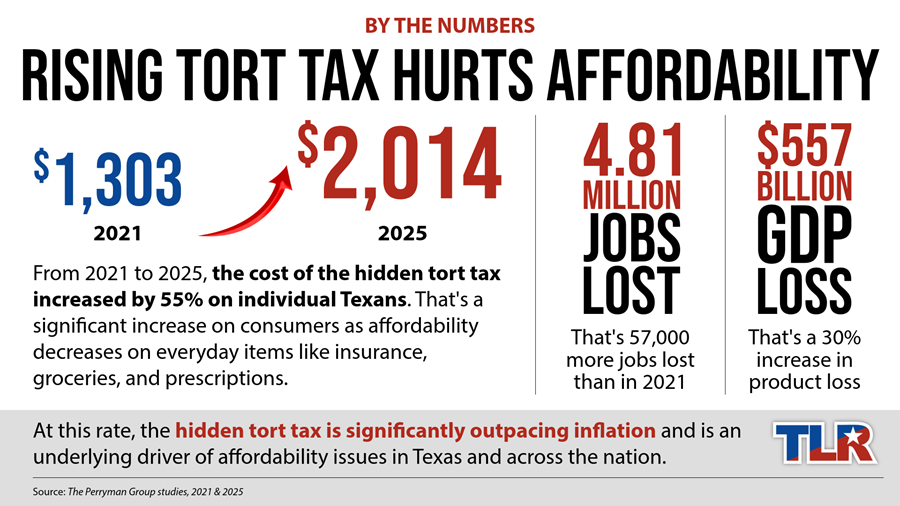
As other states begin to champion and pass lawsuit reforms, Texas is still feeling the burden of the rising tort tax. A comparative analysis of studies from The Perryman Group in 2021 and 2025 show inflation being outpaced significantly by a 55% increase in the hidden tort tax. In addition to hurting affordability for Texans, frivolous lawsuits are also costing millions of jobs and billions in economic output each year.
Click here to review the study from 2021, or here to review the study from 2025 to see the impact nationally, state-by-state, and the rising costs of everyday goods and services.
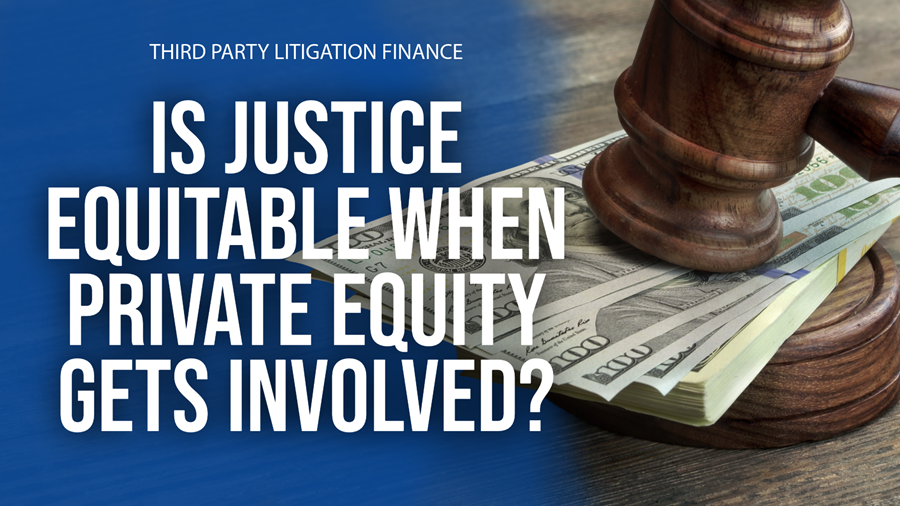
A new Wild West is beginning to emerge across the country. The fight to deregulate Third-Party Litigation Funding (TPLF) is ramping up in some states while lawmakers elsewhere are putting up additional guardrails. Despite longstanding bans on nonlawyers owning firms for financial incentives, states like Arizona have opened the door to these financial partnerships for the past five years. Here are some links for a closer look at the problem and solutions proposed by other states:

Private Equity Eyes Legal Field as Alternative Paths Open Up
A recent South Carolina ethics opinion barring lawyers from sharing fees with nonlawyer-owned firms highlights a growing divide among states as some move to restrict alternative business structures while others consider expanding them.

‘Smaller Battle in That Bigger War’
“That reflects the fact that the … plaintiffs’ side lawyers are quite powerful in California,” he said. “It once again goes back to this idea that this law is narrowly focused on one particular type of practice and it leaves untouched a lot of other issues that are going to arise as we have this patchwork of reform states and non-reform states.”

Illinois Bills Underscore Rising Scrutiny of Private Equity in Legal Sector
Proposed legislation in Illinois targets private equity involvement in law firms, highlighting growing scrutiny of nonlawyer influence in the legal sector. As regulators weigh stricter limits on managed service organizations and outside ownership structures, other states are looking to deregulate these longstanding bans.

A Look At The Investors Focused On The US Legal Market
Those investors are most interested in law firms with revenue of $4 million to $40 million, with fewer than 100 lawyers and as few as one or two equity partners, according to an adviser to law firms and investors on these types of deals.