
Friends,
Election Day. Graduation Day. Memorial Day. Each one conjures a different vision of patriotism. Communities coming together to support and celebrate a candidate, a graduate, or a fallen veteran. Despite the different reasons for celebration, there is one subject that links them all: the rising cost of everything.
Voters are casting ballots across the state in the primary election runoffs, where affordability is often top of mind. Graduates are preparing for college or entering the job market, and looking at what their future prospects may hold. And the cost of hosting a Memorial Day celebration has likely doubled since 2020 thanks to inflation.
Adding to this is a decision last week by the US Supreme Court which is likely to increase the cost of “free shipping,” especially in Texas where we lead the nation in moving goods. Further, a vote next week by Exxon Mobil shareholders is under attack by proxy adviser firms that are paid to influence the outcome of procedural votes. That tactic is coming under attack.
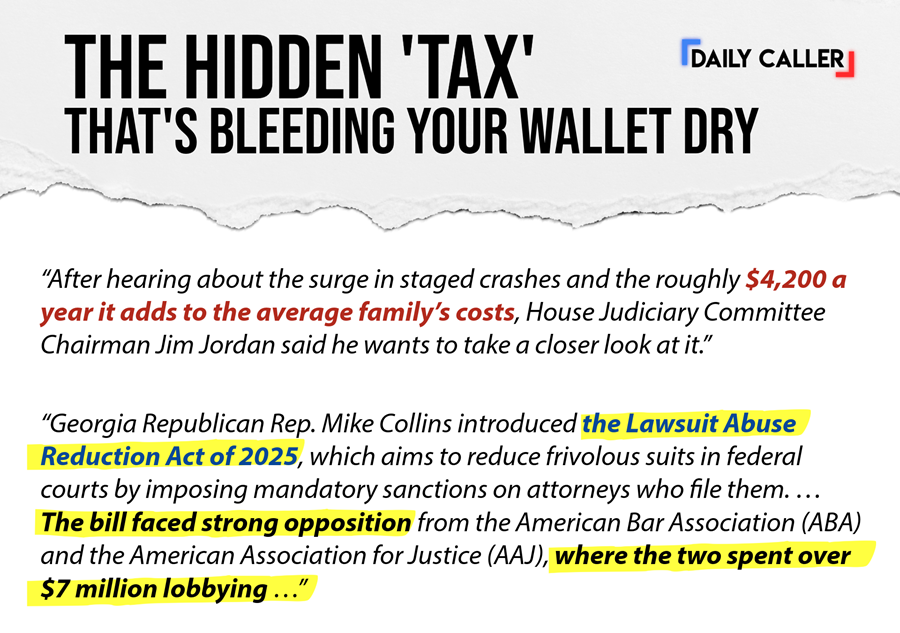
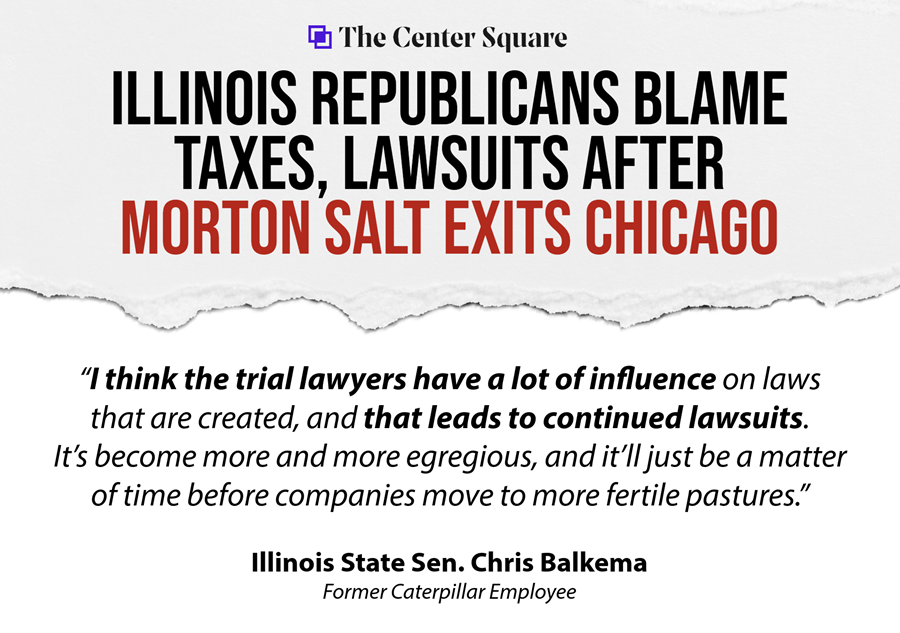
Companies like Exxon and Dell are looking to become 100% Texas-based businesses. We have the legal, regulatory, and tax structure attractive to companies, and Texas is not alone in this fight. Federal lawmakers continue to fight millions in lobby funding by billboard lawyers who want to kill federal lawsuit reforms while blue states are continuing to lose additional businesses as a consequence of runaway lawsuit abuse in their courts.
This is the fight that built the Texas Economic Miracle. It’s the fight that will protect that miracle for future generations. And TLR will continue to lead that fight on behalf of more than 3.3 million businesses, more than 15 million employees across the state, and the communities that thrive from their shared prosperity.
For the future of Texas,
Ryan Patrick
CEO | TLR

Last week’s unanimous decision by the U.S. Supreme Court that freight brokers are not protected from injury lawsuits under a 1994 federal law is expected to increase the cost of everything. The decision means that freight brokers (companies that connect shipping businesses with producers in agriculture, construction, energy and more) are now exposed to lawsuits against the shipping companies, most frequently when there is an auto accident. Here’s why that matters in Texas:
Texas leads the nation in shipping, moving more than 3.4 billion tons of goods valued at $3.1 trillion in 2022 alone.
10,000+ freight brokers, mostly small or mid-sized businesses, operate in Texas.
Those businesses now need to shop for insurance coverage in a commercial market that is already strained by lawsuit abuse; and
It touches everything: energy, construction, agriculture, retail, health care, and on and on.
Prior to the ruling, the U.S. Chamber forecasted food prices will increase 15% over the next decade; based on those estimates, the SCOTUS decision could cost Texas families as much as $350 more per year.
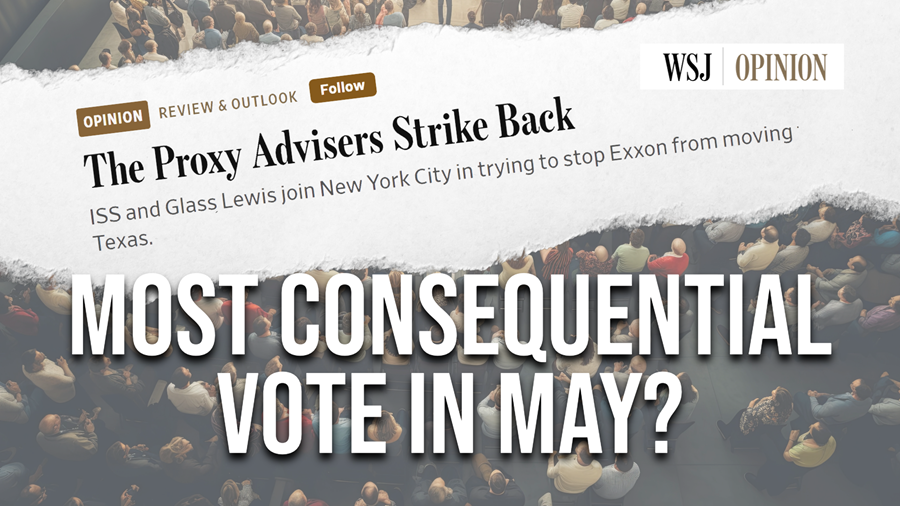
Exxon Mobil shareholders will vote on Wednesday, May 27, on whether to move the company’s legal home from New Jersey to Texas. The outcome has real implications for the Lone Star State. Texas has built specialized business courts and stronger protections against frivolous shareholder lawsuits, making it an attractive destination for major employers. A “yes” vote will bring one of the world’s largest energy companies fully under Texas law, potentially shielding it from the kind of activist-driven ESG campaigns and litigation that have cost shareholders millions of dollars.
Despite opposition from proxy advisers ISS and Glass Lewis — who critics say profit from the broken systems in states like Delaware, New York, and New Jersey — a move to Texas could signal a broader corporate shift toward a state that prioritizes business stability over political agendas.
Click here to read the full opinion piece in the Wall Street Journal.

Foreign funding of lawsuits has become a growing problem over the past decade. More recently, the warning calls from Washington, D.C. have become more amplified as the lawsuit financing industry becomes outsized in the US compared to the global industry ($15 billion in the US compared to a $20 billion global industry from third-party litigation funding).
This report from Bloomberg in 2024 highlights how Russian oligarchs avoided US sanctions by funding lawsuits targeting American companies. The litigation funding industry is expected to grow to $50 billion in 2030 if lawmakers don’t step in to stop foreign adversaries like Russia, China, and other sovereign wealth funds from exploiting American courts for profit — at the expense of American consumers who cover the costs.
There were several major headlines in lawsuit reform recently that caught our eye. Here’s a look at some of the policy issues in the news that we think you can use to stop lawsuit abuse. They’re great for sharing, too.